Gas Fitting Services: Complete Guide to Safe Gas Installation & Repair
A hissing sound near the stove, a pilot light that will not stay lit, or a faint rotten-egg smell drifting through the kitchen. These are the moments Central Coast homeowners remember, because gas problems rarely announce themselves politely. Gas is one of the most useful energy sources in an Australian home, running everything from cooktops to instantaneous hot water systems, but it is also one of the few trades where getting it wrong can genuinely hurt someone. That is why gas fitting sits apart from most other home maintenance jobs: it is licensed, regulated work, not a weekend project.
Between Gosford and The Entrance, Wyong and Terrigal, thousands of homes rely on gas appliances every day, and most owners never think about the pipework, regulators and safety devices behind the wall until something goes wrong. Understanding how gas fitting actually works, who is legally allowed to touch it, and what a proper job looks like can save you money, protect your family, and keep your insurance and warranties intact.
This guide walks through what gas fitting covers, the safety standards that govern it in New South Wales, the local quirks of the Central Coast gas network, and the practical signs that it is time to call a licensed professional rather than reach for the toolbox yourself.
1. What Counts as Gas Fitting Work
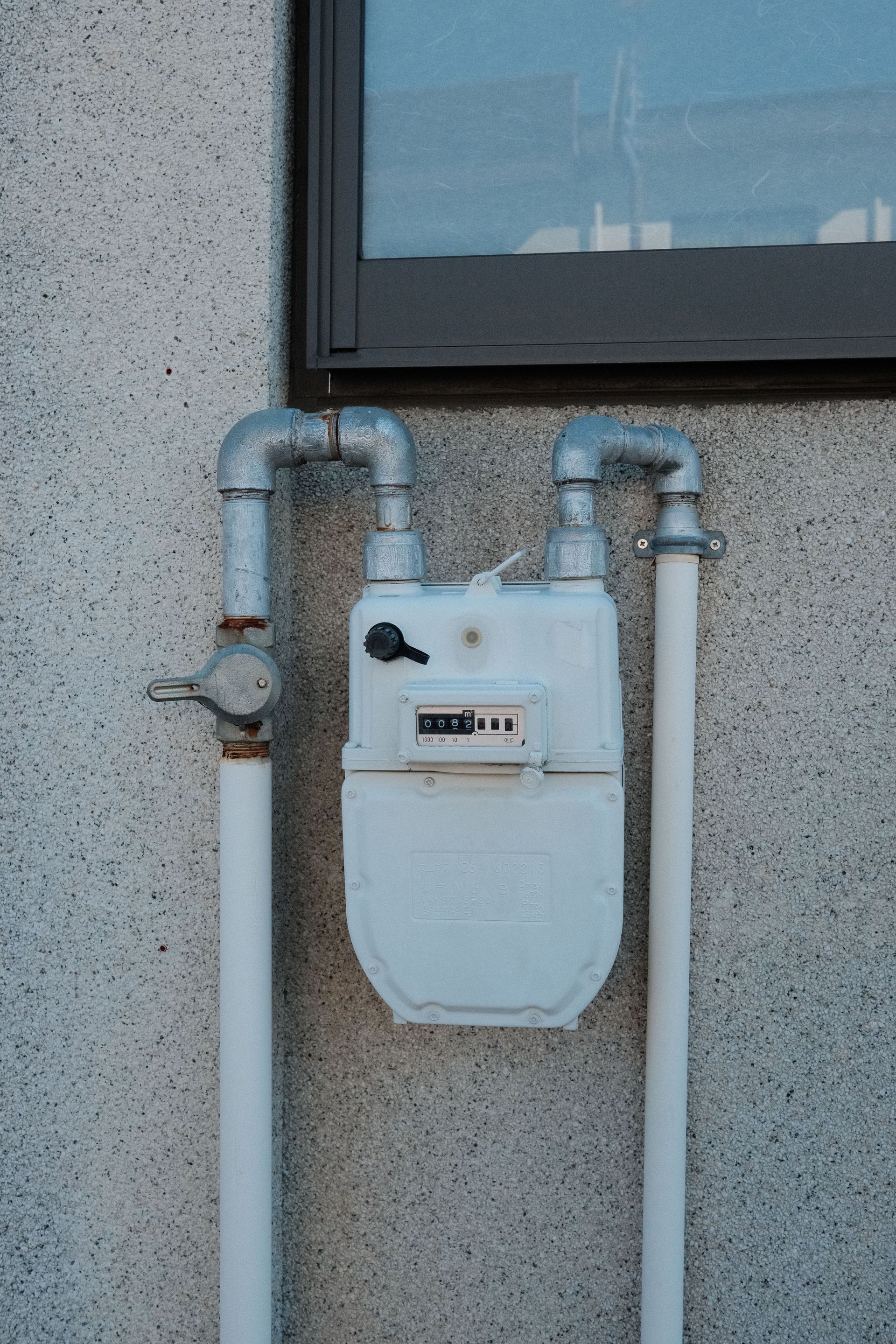
Gas fitting is the installation, alteration, repair, testing, and decommissioning of any appliance, pipe, valve, regulator or fitting that carries or burns gas. That covers cooktops, ovens, gas hot water units, gas heaters, gas log fires, outdoor BBQ points and the meter connection itself. It is a distinct trade from general plumbing, even though a single company like Eagle Service Solutions might send one tradesperson who is qualified in both.
In practical terms, a gas fitting job usually starts with isolating the gas supply, then running or modifying copper or approved polymer pipe to the new appliance location, pressure-testing the line for leaks, connecting the appliance, and finally checking that flueing and ventilation meet the appliance manufacturer's requirements. None of this is guesswork. Every step is measured against a written standard, and every completed job should be backed by a compliance certificate that the fitter lodges or hands to the homeowner.
Homeowners often assume a gas job is "just running a pipe," but the fittings, clearances from ignition sources, bonding of metallic gas pipework for electrical safety, and ventilation calculations for enclosed appliances all have specific rules attached. A missed clearance around a gas log fire, for example, is a common defect found during compliance checks, and it is exactly the kind of thing an unlicensed installer is unlikely to know to check.
For most households, gas fitting needs come up around three moments: building a new kitchen or outdoor entertaining area, replacing an ageing hot water system, or dealing with a fault such as a smell of gas, a yellow rather than blue flame, or an appliance that keeps cutting out. Each of these calls for a different approach, but all of them start with the same requirement: a licensed gas fitter.
2. The Safety Standard Behind Every Compliant Job
Gas installation work across Australia is governed primarily by AS/NZS 5601, the gas installations standard that sets out pipe sizing, appliance clearances, ventilation requirements, testing procedures and materials that are permitted to touch a gas line. When a licensed gas fitter talks about a job being "up to standard," this is the document they are referring to. It is updated periodically and covers everything from how far a flue must sit from an eave to the minimum pressure test a new line must hold before it is signed off.
On top of AS/NZS 5601, NSW Fair Trading and Building Commission NSW set the licensing framework itself. To legally carry out gas fitting work in New South Wales, a tradesperson needs a specific gasfitting licence, which is separate from a plumbing licence even though many tradespeople hold both. Building Commission NSW oversees compliance, investigates unlicensed work, and can issue penalty notices to both the tradesperson and, in some cases, the homeowner who knowingly engages one.
This licensing structure exists because gas faults are unforgiving. A poorly sized flue can allow carbon monoxide to build up in a bathroom or laundry. A pressure-tested-but-not-really line can leak slowly into a wall cavity. A DIY connection on a portable gas heater can overheat unnoticed overnight. None of these scenarios are hypothetical; they are the reason compliance certificates exist, and why insurers frequently ask for one after a gas-related claim.
For homeowners, the practical takeaway is simple: always ask for a compliance certificate at the end of a gas job, and check that the licence number on the paperwork matches a current, active licence. It costs nothing to ask and it is the single best protection you have if something later goes wrong with the installation.
3. Reticulated Gas and Bottled LPG on the Central Coast
One detail that catches out a lot of homeowners moving to the region is that not every Central Coast suburb has the same gas supply. Jemena operates the reticulated natural gas network that reaches Gosford, Wyong and Tuggerah, so homes in those areas can typically connect straight to a mains gas line the same way they connect to town water. Further out, in pockets around Norah Head, parts of Toukley, and other suburbs without mains infrastructure, many homes instead rely on bottled LPG, refilled or exchanged in 45kg or 90kg cylinders and stored outside the home.
This distinction matters because the gas fitting job itself changes depending on which supply you have. Natural gas installations are tuned to a lower operating pressure than LPG, and appliances are usually fitted with different injectors for each gas type. An appliance built for reticulated natural gas cannot simply be connected to an LPG bottle without the correct conversion kit and injector change, and getting this wrong is a common cause of poor combustion, sooting, or a flame that will not sit correctly.
If you are renovating, buying a second-hand gas appliance, or moving into a home on the LPG side of the region, it is worth asking your gas fitter to confirm which gas type your existing pipework and appliances are set up for before any new unit is connected. It is a five-minute check that avoids a returned appliance or a callback.
Homes on bottled gas also need a cylinder storage location that meets clearance rules from doors, windows and drains, something a licensed gas fitter will check as a matter of course when installing or relocating an LPG-fed appliance.
4. Common Gas Fitting Jobs Central Coast Homes Need
The most frequent gas fitting call-out on the Central Coast is a new or replacement gas hot water system, particularly as older continuous flow units reach the end of their working life after ten to fifteen years. Close behind that are kitchen renovations, where a homeowner wants to add or relocate a gas cooktop, and outdoor entertaining upgrades where a BBQ bayonet point is run out to a deck or alfresco area.
Gas heater servicing is another job that spikes every autumn, as households across Erina, Woy Woy and Ocean Beach switch their gas log fires and wall furnaces back on for the cooler months after sitting dormant since spring. A unit that has not been checked in a year or two can develop a cracked heat exchanger or a blocked flue, both of which are serious carbon monoxide risks rather than minor inconveniences.
Leak investigation is the job nobody wants but everybody needs eventually. A rotten-egg smell, a spike in gas usage with no obvious explanation, or dead vegetation over an underground line are all reasons to call a licensed fitter immediately rather than wait. Reputable operators, including Eagle Service Solutions, treat a reported gas smell as an emergency, not a booking to schedule for next week.
Finally, new-build and extension gas fit-outs are common wherever the Central Coast's ongoing residential growth is happening, from new estates around Woongarrah and Warnervale through to knockdown rebuilds closer to the coast. These jobs involve running an entire gas reticulation system from the meter through the house, and they are exactly the kind of multi-point installation where a documented, standards-based approach really shows its value.
5. Warning Signs You Should Never Ignore
A gas appliance that burns with a lazy yellow or orange flame instead of a crisp blue one is trying to tell you something: it is not getting enough air for clean combustion, and it may be producing carbon monoxide as a result. The same goes for soot marks around a cooktop burner, a pilot light that will not stay lit, or condensation and discolouration around a flue outlet.
A gas smell, however faint, should never be brushed off as "probably nothing." Turn off the appliance if it is safe to do so, avoid using switches or naked flames nearby, ventilate the area, and call a licensed gas fitter straight away. This is one of the few home maintenance situations where waiting even a day is not worth the risk.
Unusually high gas bills with no change in household habits, a hissing sound near pipework or the meter, or an appliance that keeps tripping out are all worth a professional look. On their own they might be minor, but together they are exactly the pattern a routine gas safety check is designed to catch before it becomes a bigger problem.
Have you had your gas appliances checked in the last two years? If the honest answer is no, it is worth booking an inspection, particularly for hot water systems and heaters that run for long stretches unattended.
6. Choosing a Licensed Gas Fitter on the Central Coast
When you are comparing quotes, ask three things: is the licence current, does the quote include a compliance certificate, and does the fitter carry appropriate insurance. A legitimate operator will answer all three without hesitation, because they answer them for every job they do. You can also search a gas fitter's licence number through NSW Fair Trading's public register before work begins, which takes only a minute and confirms the qualification is real and active.
Local experience counts for more than it might seem. A fitter who regularly works across Gosford, Wyong and Tuggerah already knows which suburbs run on Jemena's reticulated network and which rely on bottled LPG, understands the salt-air conditions that accelerate corrosion on outdoor fittings near Terrigal and The Entrance, and has likely seen the specific make and model of your ageing hot water unit many times before.
Eagle Service Solutions carries out licensed gas fitting work across the Central Coast, from new installations and appliance conversions through to emergency leak response, and can talk you through whether your home sits on mains gas or bottled LPG before a technician ever arrives. If in doubt, a quick call is far cheaper than a guess.
Gas is safe, efficient and genuinely convenient when it is installed and maintained properly. The trade-off for that convenience is respecting the licensing and standards behind it, and choosing a fitter who treats compliance as the baseline rather than an optional extra. If you would like your gas system checked, upgraded or installed before the cooler months set in, get in touch and have a licensed professional take a look.